
Help and advice
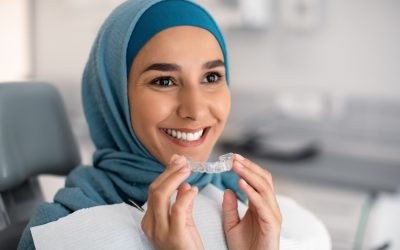
Invisalign i7: A Guide to Clear Removable Orthodontics
Invisalign i7 is a rapid, clear orthodontic treatment designed to correct minor dental crowding, spacing issues, and orthodontic relapses in adults. The system uses up to seven custom-made, removable clear aligners constructed from flexible SmartTrack thermoplastic material. Patients must wear these virtually invisible aligners for a minimum of twenty-two hours daily, removing them only for eating, drinking, and oral hygiene. Because the treatment targets minor misalignments, visible results are achieved within three months. This targeted approach offers a more affordable and convenient alternative to standard comprehensive aligner treatments.
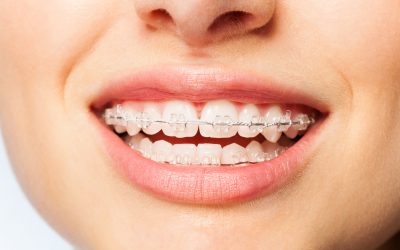
Finding the Perfect Fit with Clear Ceramic Braces
Clear ceramic braces straighten teeth by using tooth-coloured brackets bonded to the enamel, combined with archwires that exert continuous corrective pressure. They correct dental crowding, spacing, rotations, and malocclusion with greater aesthetic subtlety than conventional metal appliances. The rounded ceramic brackets sit flat against the dental arches to reduce soft tissue abrasion. Treatment typically lasts between twelve and eighteen months, followed by retainer wear to stabilise the final tooth positions. Ceramic systems deliver the mechanical control of fixed orthodontics while blending naturally with tooth enamel.
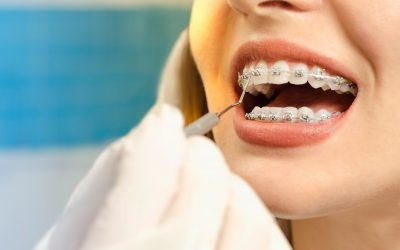
Brace Yourself Solihull: A Guide to Adult Braces Options
Adult orthodontic treatment offers five primary brace options to correct misalignment: modern metal braces, ceramic braces, clear aligners, lingual braces, and sectional braces. Modern metal braces provide durable stainless steel brackets suited for comprehensive tooth alignment. Ceramic braces match natural enamel colouring to deliver a less visible fixed alternative. Removable clear aligners use sequential plastic trays to reposition teeth discreetly without brackets. Lingual braces attach behind the teeth to remain entirely hidden from view. Sectional braces target only front teeth to provide focused cosmetic alignment.

Adult Braces Before and After: Straightening Out Your Smile in Solihull
Adult teeth straightening utilises several distinct orthodontic systems to correct misalignment, overcrowding, and bite discrepancies. Traditional metal braces use stainless steel brackets to resolve severe misalignments efficiently. Ceramic braces match natural tooth enamel for greater discretion. Removable clear aligners shift teeth incrementally without dietary restrictions when worn consistently throughout the day. Lingual braces bond directly to the inner tooth surfaces, remaining entirely concealed during treatment. Targeted cosmetic braces align only the visible front teeth to achieve faster results for mild alignment issues.
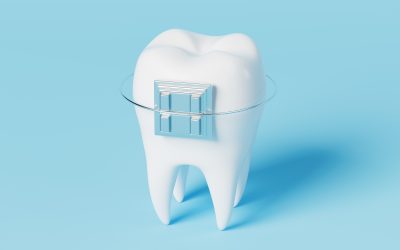
What Braces Can You Get on the NHS?
Fixed metal braces are the standard orthodontic appliance provided on the National Health Service in the United Kingdom. These visible brackets are bonded to the front of the teeth to treat significant dental irregularities. The state-funded treatment includes all necessary clinical appointments, diagnostic x-rays, dental impressions, and post-treatment removable retainers. Only eligible patients under eighteen years of age with a high clinical need qualify for these free appliances. Adults are excluded from National Health Service orthodontic funding except for severe medical cases approved on an individual basis.
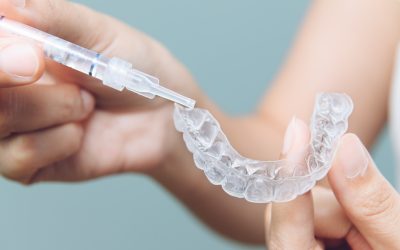
How to deal with teeth sensitivity after whitening
Teeth sensitivity after whitening is managed by brushing twice daily with desensitising toothpaste. Fluoride toothpaste restores lost minerals to strengthen the tooth enamel. Strengthened enamel blocks painful thermal stimuli from reaching the nerves. Patients must use a soft-bristle manual toothbrush to avoid physical irritation. Avoiding extremely hot or cold food and drink prevents triggering the exposed nerves. Using a daily fluoride mouthwash further accelerates recovery. These combined measures eliminate post-whitening discomfort within a few days by protecting the microscopic dentinal microtubules.
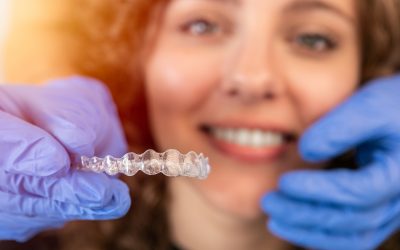
5 Things Everyone gets Wrong about Teeth Straightening Kits at Home
At-home teeth straightening kits carry significant dental risks due to the absence of direct clinical supervision by a registered orthodontist. Mail-order aligners rely on unsupervised self-impressions that lead to poor appliance fit and inaccurate tooth movement. Without clinical examinations, mid-treatment monitoring, and bite assessments, direct-to-consumer kits cause irreversible oral complications. These issues include severe gum trauma, enamel damage, root resorption, tooth loss, and altered biting patterns. Correcting these unsupervised alignment errors often requires complex, costly corrective orthodontic treatment that negates any initial savings.

Who is Eligible and How to Apply for Braces on the NHS?
NHS orthodontic treatment is available to children under eighteen years of age with a clear clinical need for braces. Eligibility is determined using the Index of Orthodontic Treatment Need scoring system, which evaluates the severity of dental irregularities. Patients automatically qualify with a grade four or five score, while lower scores are excluded from funding. To apply, patients must obtain a formal referral from a general dentist who assesses oral health. Approved applicants receive standard metal braces to correct their alignment.

Teeth Straightening Before and After: Expectations vs Reality
Teeth straightening reality involves significantly less discomfort, disruption, and treatment time than common expectations suggest. Modern fixed braces and clear aligners feature smooth, low-profile designs that minimise soft-tissue irritation. Treatment completes within nine to eighteen months for most patients. Dietary adjustments are limited to avoiding sticky, hard, or chewy foods that damage brackets and wires. Any minor speech alteration resolves within a few days of fitting. Daily personal and professional routines continue without disruption while teeth gradually shift into proper alignment.
BOOK A CONSULTATION
Find out how our specialist team can find your inner smile.
Get in touch to arrange your free consultation.