
Help and advice

Teeth Straightening on the NHS for Adults and Teens: Key Differences Explained
NHS teeth straightening is free for teenagers under 18 who meet Index of Orthodontic Treatment Need (IOTN) grades 4 or 5 for functional dental issues. Adults rarely qualify for NHS braces because treatment is restricted strictly to severe medical necessities rather than cosmetic realignment. When approved, NHS care exclusively provides traditional metal fixed braces. Adults seeking discreet options like clear aligners or ceramic braces typically choose private orthodontic treatment. Private care eliminates multi-year NHS waiting lists and offers flexible payment plans.
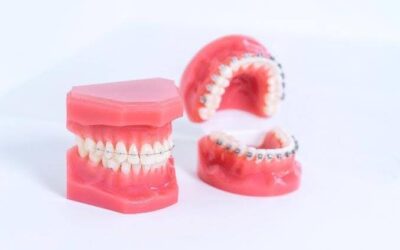
Teeth Straightening on the NHS – What’s Covered and What’s Not
NHS orthodontic treatment is available for children under the age of eighteen who demonstrate a clear clinical need for teeth straightening. Eligibility is determined using the Index of Orthodontic Treatment Need scale to assess dental health. Only patients with high ratings for functional issues qualify for government-funded care. Adults are generally not eligible for NHS braces unless treatment is required for severe medical reasons. The NHS provides standard metal braces to improve dental function and health. Cosmetic options like clear aligners and ceramic braces are not covered by the health service.

Adult Orthodontics on the NHS: Is It Worth the Wait?
Adults qualify for NHS orthodontic treatment only when there is a significant medical or functional necessity. Eligibility is restricted to severe cases such as significant jaw misalignment, speech impediments, or difficulty chewing. Cosmetic concerns or minor crowding do not meet the criteria for government-funded care. Most adults face waiting times of twelve to twenty-four months because the health service prioritises children. Treatment usually involves traditional metal braces to correct functional health rather than clear aligners. Applicants must receive a referral from their primary dentist to an orthodontist for a clinical assessment of their eligibility.
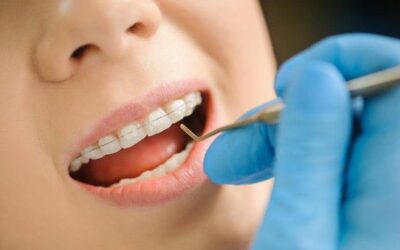
Can You Get Ceramic Braces on the NHS? A Clear Answer for UK Patients
Ceramic braces are not available for free on the NHS. The National Health Service exclusively provides traditional metal braces to patients who meet the clinical eligibility criteria for orthodontic treatment. Because ceramic brackets are more expensive to manufacture and are considered a cosmetic preference rather than a medical necessity, they fall outside the scope of publicly funded care. Patients who qualify for NHS treatment receive high-quality metal appliances to correct functional issues. Those who prefer the aesthetic benefits of discreet, tooth-coloured ceramic braces must choose private orthodontic treatment and cover the costs independently.

Clear Braces on the NHS – What Types Are Available?
The NHS primarily provides traditional metal braces to patients who qualify for orthodontic treatment based on clinical necessity. These fixed metal appliances are used because they are cost-effective and highly reliable for correcting complex functional issues. Clear or ceramic braces are rarely available on the NHS as they are considered an aesthetic preference rather than a medical requirement. Removable clear aligners are also excluded from standard health service coverage. Patients seeking discreet options or specific appliance types must typically pursue private orthodontic care to access ceramic brackets or transparent aligner systems.

Does the NHS Cover Invisalign or Clear Aligners? The Truth Revealed
The NHS does not typically cover Invisalign or clear aligners, as its orthodontic funding is reserved for traditional metal braces that address significant clinical needs. Eligibility for NHS treatment is restricted to patients under eighteen with severe dental irregularities, while purely cosmetic improvements are excluded. Clear aligners are only provided in exceptional medical circumstances, such as a documented metal allergy that makes traditional braces unsuitable. Adults seeking Invisalign for aesthetic reasons must pursue private treatment, which offers flexible payment plans and shorter waiting times. This system ensures that public resources are prioritised for essential corrective dental work rather than elective cosmetic procedures.
Are Ceramic Braces Available on the NHS? Everything You Need to Know
Ceramic braces are generally not available through the NHS because they are classified as a cosmetic upgrade rather than a medical necessity. The National Health Service prioritises cost-effective treatments that address clinical health issues using traditional metal fixed braces. While ceramic brackets function similarly to metal ones, their tooth-coloured material makes them more expensive to produce and maintain. Patients who specifically require a discreet orthodontic solution must typically choose private treatment. This allows access to aesthetic options like ceramic braces or clear aligners which fall outside standard NHS funding criteria.

NHS Metal Braces: Maintenance, Care and Follow-Up Appointments
NHS metal braces maintenance requires brushing after every meal with a soft-bristled orthodontic toothbrush at a forty-five degree angle. Daily flossing using a floss threader or interdental brush is necessary to prevent plaque accumulation under the wires. Patients must avoid sticky foods and cut hard foods into smaller pieces to prevent bracket breakages. Orthodontic wax relieves soreness caused by brackets rubbing the cheeks. Scheduled follow-up appointments are mandatory for wire adjustments to ensure continuous tooth alignment. Consistent post-treatment retainer use stabilises the teeth to prevent orthodontic relapse.

Can You Get Adult Braces on the NHS? A Full Guide to Eligibility
Adults in the United Kingdom can only obtain orthodontic braces on the National Health Service if there is a severe, documented medical necessity. State-funded treatment is not available for purely cosmetic teeth straightening. Eligibility is evaluated using the Index of Orthodontic Treatment Need scoring system. Adults require a higher severity score to qualify than children. Qualifying conditions include severe overbites, underbites, crossbites, and dental trauma that cause significant jaw pain or speech impairment. Private treatment remains the only option for adults seeking aesthetic smile improvements.
BOOK A CONSULTATION
Find out how our specialist team can find your inner smile.
Get in touch to arrange your free consultation.