
Help and advice

Why Incognito braces are taking Birmingham by storm
Incognito braces are custom-engineered lingual orthodontic appliances bonded to the back of the teeth rather than the front. They straighten teeth and correct bite misalignments without visible metal brackets or wires. Each custom bracket and archwire is fabricated to fit the unique contours of the individual dental anatomy. Because the hardware sits entirely on the tongue side of the mouth, treatment remains completely hidden from view. The system treats mild to complex orthodontic concerns over a standard period of twelve to twenty-four months.

Incognito Vs Invisalign: Birmingham Brace Favourites
Incognito braces and Invisalign provide two distinct methods for discreet adult orthodontic treatment. Incognito braces are fixed metal brackets custom-fitted directly to the hidden rear surfaces of teeth. Invisalign uses a sequential series of transparent, removable plastic trays worn over the arch. Incognito lingual braces remain continuously attached to treat complex tooth misalignments without relying on patient compliance. Invisalign aligners require removal during meals, drinking, and daily oral hygiene routines. Both orthodontic options achieve teeth alignment while remaining completely invisible during regular social interaction.

Fixed Braces or Clear Aligners? The Real Question Adults want Answering
Fixed braces and clear aligners differ primarily in attachment, aesthetics, and lifestyle flexibility for adult orthodontic treatment. Fixed braces consist of metal, ceramic, or lingual brackets bonded continuously to teeth to correct severe misalignments. Clear aligners use removable, transparent plastic trays worn over the teeth to gradually adjust mild to moderate overcrowding. Fixed braces require zero patient discipline regarding daily wear but restrict certain foods and require orthodontic adjustments. Clear aligners allow easy removal for eating and oral hygiene but depend entirely on patient compliance for successful results.

Jawline – it’s not just about the smile
Correcting a misaligned jaw with orthodontic braces restores proper bite function and eliminates systemic complications beyond aesthetic improvements. Untreated jaw misalignment causes chronic headaches, temporomandibular joint pain, abnormal tooth wear, and impaired chewing that hinders digestion. Crooked dental arches also restrict toothbrush access, accelerating plaque accumulation, tooth decay, and gum disease. Orthodontic appliances exert continuous, controlled forces that reposition teeth and remodel surrounding bone structure. This biomechanical shift rebalances occlusal pressure across the dental arches. Proper alignment resolves chronic facial discomfort, clarifies speech, and protects natural teeth from premature wear.
Different braces. Different costs. What’s the best option for you?
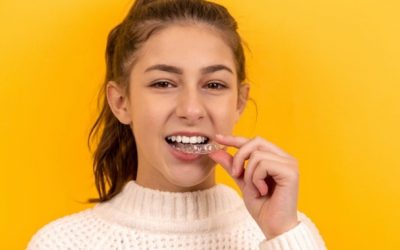
The main types of orthodontic braces used to straighten teeth are metal, ceramic, Invisalign, lingual, and QuikSmile systems. Traditional metal braces are smaller, cost-effective devices recommended for moderate to severe misalignments. Ceramic braces use clear brackets to blend with tooth enamel for a subtle appearance. Invisalign utilises transparent, removable plastic aligners to reposition teeth without brackets or wires. Lingual braces are custom appliances bonded directly to the back of teeth for hidden alignment. QuikSmile focuses solely on aligning the front teeth to deliver rapid cosmetic results.

Do adults who wear braces have more confidence?
Adults who undergo orthodontic treatment experience a measurable increase in confidence and self-esteem. Clinical research and patient surveys demonstrate that correcting dental misalignments reduces social anxiety related to smiling and speaking. Straightening teeth resolves functional issues that affect verbal clarity and facial aesthetics. Patients report feeling more self-assured in professional and social settings once alignment begins. Orthodontic treatment delivers clear psychological benefits alongside improved oral health. The resulting alignment creates lasting improvements in personal confidence and everyday well-being.

The Pros and Cons of Modern Metal Braces for Adults
Modern metal braces for adults offer exceptional durability and affordability but remain more visible than alternative orthodontic appliances. High-grade stainless steel brackets deliver reliable force for correcting complex overcrowding and severe bite misalignments. Contemporary brackets feature smaller, smoother profiles that improve day-to-day comfort. They are the most cost-effective fixed orthodontic solution. The principal disadvantage is their conspicuous appearance compared to ceramic or clear aligners. Wearers also face dietary restrictions and rigorous cleaning routines across the standard eighteen-month treatment timeframe.

Everything You Need to Know about Adult Ceramic Braces
Ceramic braces are a discreet orthodontic treatment that uses clear or tooth-coloured brackets and wires to correct dental misalignments. Unlike traditional metal braces, these aesthetic brackets lie flat against the teeth and blend with natural enamel to minimise visibility. They function similarly to metal braces by gently exerting constant pressure to reposition teeth over a twelve to eighteen-month period. Adult patients choose ceramic braces because they offer a less visible treatment profile without the higher financial cost associated with lingual systems.
7 common teeth alignment issues; which do you have?
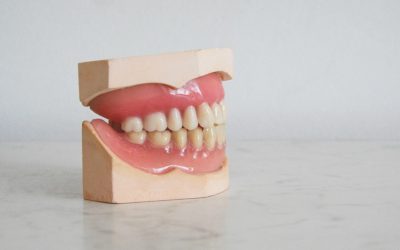
The seven most common teeth alignment issues requiring orthodontic treatment are crowding, spacing, overjet, overbite, openbite, underbite, and crossbite. Crowding occurs from insufficient jaw space, whereas spacing produces gaps between teeth. Overjet describes outward protruding front teeth, while overbites present vertical overlapping of the front teeth. Openbites leave an oval-shaped gap when closing the mouth, and underbites occur when the lower jaw protrudes forward. Crossbites involve teeth misaligning laterally or front-to-back. Correcting these dental misalignments improves biting function, protects tooth enamel, and prevents decay or gum disease.
BOOK A CONSULTATION
Find out how our specialist team can find your inner smile.
Get in touch to arrange your free consultation.