
Help and advice

Exploring Teeth Straightening Options for Adults: Your Comprehensive Guide
Adult teeth straightening options in the United Kingdom include traditional metal braces, ceramic braces, clear aligners, and lingual braces. Metal braces remain highly reliable for complex structural bite issues. Ceramic braces utilise tooth-coloured brackets to provide professional adults with a discreet aesthetic profile. Clear removable aligners offer a transparent treatment profile best suited for mild to moderate alignment adjustments. Lingual braces are bonded behind the teeth to make orthodontic hardware completely invisible from the front. Post-treatment retainers are always mandatory to prevent the teeth from shifting back into their original positions.

Tips and Tricks for Maintaining Oral Hygiene with Full Metal Braces
Maintaining proper oral hygiene with full metal braces requires a consistent routine using specialised tools and specific techniques. Brushing at least twice daily with a soft-bristled or orthodontic toothbrush prevents plaque accumulation around brackets. Patients must angle the toothbrush at forty-five degrees to clean above and below the metal wires. Daily flossing using a floss threader or interdental brush is essential to remove food particles between teeth. Rinsing with a daily fluoride mouthwash provides extra protection against decay. Avoiding sticky and hard foods prevents physical damage to the orthodontic brackets.
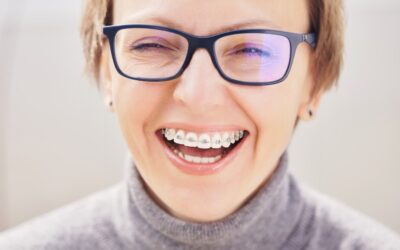
Life-Changing Benefits of Braces for Adults: What You Need to Know
Adult braces provide extensive health, functional, and psychological benefits beyond cosmetic alignment. Straightening adult teeth improves oral hygiene efficiency, reducing plaque accumulation and long-term risks of decay or gum disease. Bite realignment corrects masticatory function, aids digestion, and relieves temporomandibular joint stress. Orthodontic movement resolves speech impediments caused by dental gaps or crowding. Proper alignment enhances facial symmetry and long-term enamel preservation. Furthermore, achieving a straight smile boosts self-esteem, mental wellbeing, and personal confidence.

The Journey to a Confident Smile: Understanding Teeth Straightening Before and After
Teeth straightening transitions patients through three distinct stages: clinical preparation, active realignment, and retainer-supported maintenance. Treatment begins with diagnostic x-rays and three-dimensional digital imaging to plan tooth movements. Orthodontists then fit fixed braces or deliver bespoke clear aligners to apply continuous corrective pressure. Patients attend regular appointments for adjustments and progress reviews while maintaining strict oral hygiene. Following active alignment, appliances are removed to reveal the corrected dental bite. Patients wear custom retainers indefinitely to prevent relapse and secure lifelong dental stability.

What Is Teeth Straightening and Why You Need to Know: The Best Teeth Straightening Method You Haven’t Heard Of
Teeth straightening is an orthodontic process that realigns crowded, crooked, or misaligned teeth to improve oral function, bite health, and dental hygiene. Correcting malocclusion prevents uneven tooth wear, reduces jaw joint strain, and eliminates tight spaces where plaque and bacteria accumulate. Beyond traditional metal brackets, ceramic braces, and clear aligners, lingual braces offer an entirely concealed treatment method. Lingual orthodontics bond custom metal brackets and archwires directly to the back tongue-facing surfaces of the teeth. This approach delivers the biomechanical control of fixed braces without any visible appliances.

Maintaining Oral Health Throughout Invisalign Invisible Braces Treatment: Expert Advice
Maintaining oral health during Invisalign treatment requires brushing after every meal, daily flossing, and proper aligner hygiene. Teeth must be clean before reinserting aligners to prevent bacteria and food particles from trapping against enamel. Aligners require daily cleaning with lukewarm water and mild soap, avoiding abrasive toothpastes or hot water. Wearers must drink only plain water while aligners are in place to eliminate sugar accumulation and staining. Adhering to a 22-hour daily wear schedule while attending routine dental checks ensures optimal hygiene.

Essential Guide to Invisalign Dental Braces: Before You Begin Treatment
Before starting Invisalign treatment, patients must commit to wearing custom clear plastic aligners for 20 to 22 hours daily. Aligners are changed every one to two weeks, with overall treatment typically lasting between 6 and 18 months. The system corrects mild to moderate dental misalignments, crowding, and bite issues. Trays must be removed for eating and drinking anything other than plain water. Patients must brush and floss after every meal before reinserting aligners to maintain oral hygiene. Retainers are required following treatment to preserve alignment results.

Debunking Common Myths About Adult Dental Braces
Adult dental braces effectively straighten misaligned teeth and correct bite issues at any age, provided the gums and supporting bone structure remain healthy. Teeth respond to mechanical orthodontic pressure through continuous bone remodelling regardless of patient age. Modern adult treatments utilise discreet options, including transparent aligners, tooth-coloured ceramic brackets, and low-profile fixed appliances. Average treatment duration ranges between twelve and twenty-four months depending on clinical complexity. Beyond aesthetic enhancement, correcting dental alignment facilitates effective plaque removal to prevent periodontal disease. It also resolves malocclusions responsible for abnormal enamel wear and temporomandibular joint discomfort.

What Do Ceramic Braces Look Like? Exploring the Visual Appeal and Comfort Factor
Ceramic braces feature tooth-coloured or semi-translucent ceramic brackets that blend with natural tooth enamel. The supporting archwires utilise tooth-coloured coatings to minimise visibility during orthodontic treatment. Smooth, rounded bracket edges reduce soft-tissue friction against lips and inner cheeks. The matte ceramic surface eliminates reflective glare, making the apparatus far less noticeable than traditional metal braces. These fixed appliances deliver identical structural tooth movement to standard metal options while providing a discreet visual profile.
BOOK A CONSULTATION
Find out how our specialist team can find your inner smile.
Get in touch to arrange your free consultation.